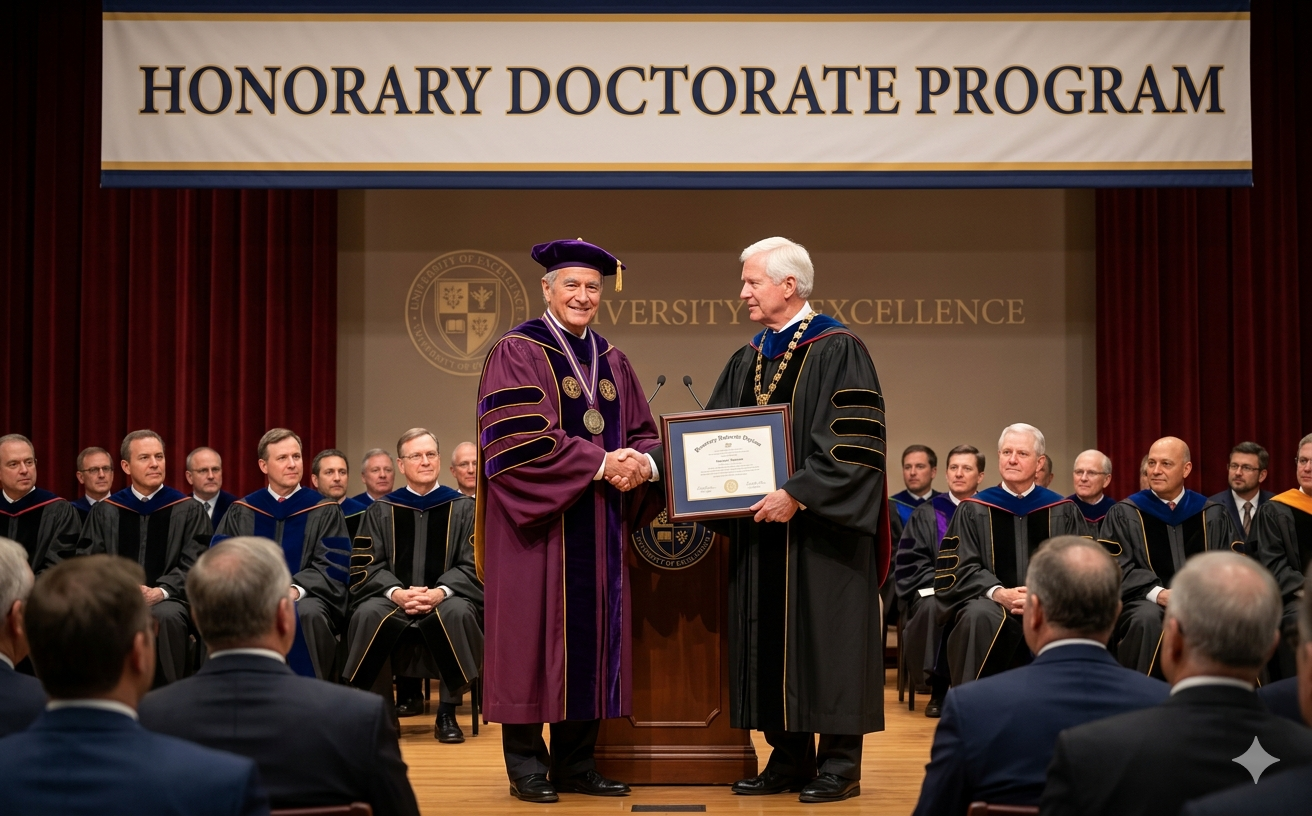
Honorary Doctorate Program
Career achievements have always played an important role in professional growth, motivation, and workplace satisfaction. However, the methods used to celebrate success have evolved significantly over time. Traditional awards, plaques, and annual ceremonies are no longer the only ways organizations acknowledge employee contributions. Today, businesses are embracing more innovative, personalized, and meaningful approaches that align with modern workplace cultures.
Understanding Modern Ways to Recognize Career Achievements helps employers create stronger teams while helping professionals feel valued and appreciated. Recognition is no longer limited to senior executives or long-serving employees. Instead, organizations are focusing on continuous appreciation, personalized rewards, and digital recognition systems that highlight accomplishments in real time.
Why Career Recognition Matters
Recognition is one of the strongest drivers of employee engagement and productivity. When professionals receive acknowledgment for their efforts, they feel motivated to maintain high performance Honorary Doctorate Program and continue contributing to organizational success.
Employees who feel appreciated often demonstrate greater loyalty, improved morale, and increased commitment to company goals. Recognition also strengthens workplace relationships by creating a culture where achievements are celebrated rather than overlooked.
Modern organizations understand that recognition is not simply about rewards. It is about making employees feel respected, valued, and connected to their work.
The Evolution of Workplace Recognition
Workplace recognition has transformed dramatically over the past few decades. In the past, recognition programs were often limited to annual employee awards or promotions. While these methods still have value, they may not meet the expectations of today’s workforce.
The rise of digital communication, remote work, and employee-centered management has encouraged businesses to develop more flexible recognition systems. Employees now expect regular feedback, immediate acknowledgment, and personalized appreciation.
This shift has led organizations to explore Modern Ways to Recognize Career Achievements that go beyond traditional rewards and create meaningful experiences.
Digital Recognition Platforms
One of the most popular Modern Ways to Recognize Career Achievements is the use of digital recognition platforms. These tools allow managers and colleagues to acknowledge accomplishments instantly.
Digital platforms often include features such as:
- Peer-to-peer recognition
- Achievement badges
- Public appreciation messages
- Reward points systems
- Performance milestones
These systems make recognition visible across the organization and encourage a culture of appreciation. Employees can celebrate each other’s successes, creating a positive and supportive work environment.
Personalized Recognition Experiences
Personalization has become a major trend in employee recognition. Rather than offering generic rewards, organizations now tailor recognition to individual preferences and achievements.
Some employees may appreciate public acknowledgment during team meetings, while others may prefer private appreciation from management. Personalized rewards can include professional development opportunities, flexible work arrangements, gift cards, or experiences aligned with personal interests.
Customized recognition demonstrates that organizations understand and value employees as individuals rather than simply treating them as members of a workforce.
Social Media Recognition
Social media has introduced new opportunities for celebrating professional success. Many organizations now share employee achievements on company social channels, websites, and professional networking platforms.
Public recognition provides several benefits:
- Increases employee visibility
- Enhances professional reputation
- Demonstrates organizational appreciation
- Strengthens employer branding
Highlighting achievements through social media can make employees feel proud while showcasing company culture to potential recruits and clients.
Peer-to-Peer Recognition Programs
Recognition should not come exclusively from managers. Colleagues often witness daily contributions that leadership may not see.
Peer-to-peer recognition programs empower employees to acknowledge one another’s accomplishments. This approach creates stronger workplace relationships and encourages teamwork.
Employees appreciate recognition from coworkers because it reflects direct observations of effort, collaboration, and support. Many companies use digital tools that allow team members to send recognition messages, award points, or nominate colleagues for special acknowledgments.
Career Development Opportunities as Recognition
Modern employees often value growth opportunities more than traditional rewards. As a result, career development has become one of the most effective Modern Ways to Recognize Career Achievements.
Organizations may reward outstanding performance by offering:
- Leadership training
- Professional certifications
- Industry conference attendance
- Mentorship programs
- Advanced educational opportunities
These opportunities not only recognize achievement but also contribute to long-term career growth. Employees see development investments as evidence that their organization values their future success.
Flexible Work Benefits
Work-life balance has become increasingly important in modern workplaces. Many organizations now use flexibility as a form of recognition.
Employees who consistently perform at a high level may receive:
- Additional remote work privileges
- Flexible scheduling options
- Extra personal time off
- Wellness days
- Reduced meeting requirements
These benefits acknowledge employee contributions while supporting personal well-being. Flexibility often has a greater impact on job satisfaction than traditional monetary rewards.
Recognition Through Meaningful Projects
Assigning employees to high-profile projects can serve as a powerful form of recognition. Being trusted with important responsibilities demonstrates confidence in an employee’s abilities and potential.
Professionals often view challenging assignments as opportunities to showcase skills, gain experience, and advance their careers. This form of recognition provides both immediate appreciation and future career benefits.
Organizations can use project leadership opportunities to recognize top performers while simultaneously supporting business objectives.
Team-Based Recognition Approaches
Many achievements result from collaboration rather than individual effort. Modern organizations increasingly recognize entire teams for successful outcomes.
Team-based recognition may include:
- Group celebrations
- Team awards
- Shared bonuses
- Recognition events
- Public acknowledgment of collective success
This approach promotes cooperation and prevents unhealthy competition. Employees learn to value collaboration while feeling appreciated for their contributions to shared achievements.
Real-Time Recognition Systems
Traditional annual performance reviews often fail to provide timely acknowledgment. Modern organizations understand that recognition is most effective when delivered promptly.
Real-time recognition allows managers and colleagues to celebrate accomplishments immediately after they occur. Instant appreciation reinforces positive behaviors and helps employees connect their actions with organizational success.
Technology has made real-time recognition easier than ever through communication platforms, recognition software, and mobile applications.
Employee Spotlight Programs
Employee spotlight initiatives are another effective example of Modern Ways to Recognize Career Achievements. These programs highlight individual accomplishments through newsletters, company websites, internal communication channels, or team meetings.
Spotlights often include:
- Professional achievements
- Career milestones
- Personal success stories
- Community involvement
- Innovative contributions
These features help employees gain visibility while inspiring others to pursue excellence.
Recognition Through Wellness and Lifestyle Rewards
Organizations are increasingly connecting recognition with employee well-being. Wellness-focused rewards demonstrate that employers care about both professional performance and personal health.
Examples include:
- Fitness memberships
- Wellness stipends
- Mental health support services
- Vacation packages
- Healthy lifestyle incentives
These rewards provide lasting value and contribute to overall employee satisfaction.
The Role of Leadership in Recognition
Leadership plays a critical role in successful recognition programs. Employees often place significant value on appreciation received directly from managers and executives.
Effective leaders make recognition a regular part of workplace culture by:
- Offering sincere praise
- Celebrating milestones
- Sharing success stories
- Encouraging peer recognition
- Providing constructive feedback
Consistent leadership involvement ensures recognition remains authentic and meaningful rather than becoming a routine administrative process.
Building a Recognition Culture
Recognition should not be treated as an occasional event. Organizations achieve the greatest success when appreciation becomes part of daily operations.
A strong recognition culture includes:
- Frequent acknowledgment
- Inclusive recognition opportunities
- Transparent reward systems
- Employee participation
- Leadership support
When recognition becomes embedded in workplace culture, employees feel valued throughout the year rather than only during formal ceremonies.
Conclusion
The workplace continues to evolve, and recognition strategies must evolve with it. Modern employees seek appreciation that is timely, meaningful, personalized, and connected to their professional goals. Organizations that embrace Modern Ways to Recognize Career Achievements create environments where employees feel motivated, engaged, and committed to long-term success.
From digital recognition platforms and social media acknowledgment to career development opportunities and flexible work benefits, today’s recognition methods go far beyond traditional awards. By adopting innovative approaches and building a culture of appreciation, organizations can strengthen employee satisfaction, improve performance, and foster a workplace where achievements are consistently celebrated and valued.
About the Author